
Understanding Trailer Bearing Dust Caps: Essential Protection for Your Trailers
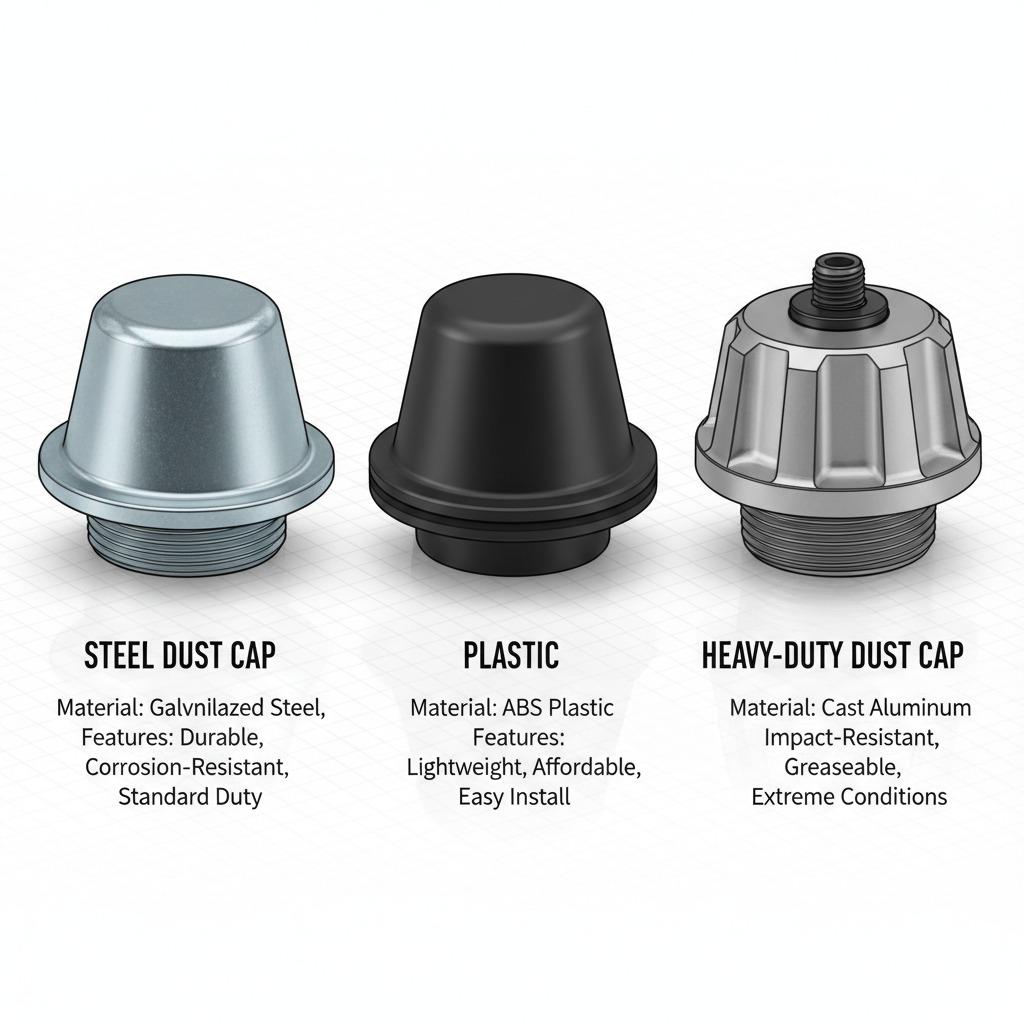
Trailer bearing dust caps are crucial components in maintaining the integrity and longevity of your trailer's wheel system. These small yet vital parts shield the bearings from dirt, water, and debris, ensuring smooth operation during every haul. If you're involved in towing or hauling, investing in quality trailer bearing dust caps can prevent costly repairs and downtime. In this article, we'll explore the ins and outs of these caps, including their types, installation, and why they're indispensable for safe travels.
The Role of Trailer Bearing Dust Caps in Vehicle Maintenance
Trailer bearing dust caps play a pivotal role in protecting the sensitive bearing assemblies within your trailer's hubs. By creating a sealed barrier, they prevent contaminants from entering and compromising the lubrication that keeps bearings spinning freely. Without proper protection, exposure to road grime and moisture can lead to accelerated wear, overheating, and even complete failure, which might strand you on the highway. For anyone who relies on trailers for work or recreation, understanding trailer bearing dust caps means recognizing their function as a first line of defense against environmental hazards.
These caps are typically made from durable materials like steel or plastic, designed to withstand the rigors of constant motion and varying weather conditions. Regular inspection of your trailer bearing dust caps ensures that any damage or looseness is addressed promptly, extending the life of your entire axle system. Many users overlook these components during routine checks, but neglecting them can result in uneven tire wear and reduced towing efficiency.
Exploring Trailer Axle Dust Caps: Types and Compatibility
When it comes to trailer axle dust caps, variety is key to matching your specific setup. These caps come in different sizes and styles to fit various axle configurations, from lightweight utility trailers to heavy-duty models used in construction. Trailer axle dust caps are engineered to provide a snug fit, often featuring rubber grommets or O-rings for enhanced sealing. Choosing the right one depends on your trailer's hub size and load capacity, as mismatched caps can lead to leaks and bearing damage.
For standard applications, pressed steel trailer axle dust caps offer robust protection at an affordable price, while zinc-plated versions resist corrosion in humid or salty environments. It's essential to measure your axle spindle and hub bore accurately before purchasing, as trailer axle dust caps must align perfectly to maintain pressure and prevent ingress of particles. Many manufacturers provide charts for easy selection, helping DIY enthusiasts avoid common pitfalls.
In addition to basic models, some trailer axle dust caps incorporate vents to equalize pressure during temperature changes, reducing the risk of cap blow-off on long trips. This feature is particularly useful for off-road or high-speed towing, where fluctuations in air pressure inside the hub can occur.
Bearing Dust Caps for Trailers: Installation and Best Practices
Installing bearing dust caps for trailers is a straightforward process that can be done with basic tools, but attention to detail is crucial for optimal performance. Start by cleaning the hub thoroughly, removing any old grease or residue to ensure a clean surface for the new cap. Bearing dust caps for trailers are usually press-fitted or secured with retaining clips, so use a rubber mallet to gently tap them into place without denting the metal.
During installation, apply a thin layer of lubricant around the sealing lip to enhance the barrier against moisture. Once in position, spin the wheel to check for any unusual resistance, which could indicate improper seating. For those new to this task, consulting the trailer's manual or a professional mechanic can provide peace of mind. Proper installation of bearing dust caps for trailers not only safeguards the bearings but also maintains the overall balance of the wheel assembly.
Remember to torque the lug nuts correctly after fitting, as loose wheels can exacerbate stress on the caps. Periodic checks every few thousand miles will help identify wear early, ensuring your bearing dust caps for trailers remain effective over time.
Trailer Dust Cap Replacement: When and How to Do It Right
Knowing when to perform a trailer dust cap replacement is vital for proactive maintenance. Signs that it's time for replacement include visible cracks, dents, or gaps where dirt has infiltrated the hub. If you notice grease leaking out or hear grinding noises from the wheels, a faulty cap is often the culprit. Trailer dust cap replacement should be part of your annual service routine, especially if you've been towing through muddy or dusty terrains.
The replacement process begins with jacking up the trailer and removing the wheel, followed by extracting the old cap using pliers or a cap puller tool. Inspect the bearings and races for damage while everything is apart, and repack with fresh grease before installing the new one. Opt for high-quality trailer dust cap replacement parts that match OEM specifications to avoid compatibility issues. This not only restores protection but can also improve fuel efficiency by reducing drag from worn components.
Budget-conscious owners might consider bulk packs for multiple trailers, but always prioritize durability over cost. A well-executed trailer dust cap replacement can save hundreds in bearing repairs down the line, making it a smart investment for frequent users.
Trailer Wheel Bearing Dust Caps: Enhancing Safety and Durability
Trailer wheel bearing dust caps are specifically designed to interface with the wheel hub, providing targeted protection for the bearings that support your trailer's weight. These caps are often larger to accommodate the wheel's mounting area, ensuring comprehensive coverage against road spray and debris. For trailers with disc brakes, specialized trailer wheel bearing dust caps may include heat-resistant materials to handle elevated temperatures during braking.
Safety is paramount, and intact trailer wheel bearing dust caps contribute to stable handling and reduced vibration. Worn caps can allow contaminants to build up, leading to bearing seizure—a dangerous scenario at highway speeds. To maximize durability, select caps with UV-resistant coatings for trailers exposed to sunlight, preventing material degradation over seasons.
Integration with other hub components, like grease seals, creates a multi-layered defense system. Regularly lubricating around the trailer wheel bearing dust caps during maintenance keeps seals pliable and effective, prolonging their service life.
Heavy-Duty Trailer Dust Caps: Built for Demanding Applications
For commercial or industrial use, heavy-duty trailer dust caps are engineered to endure extreme conditions, featuring thicker walls and reinforced edges. These caps are ideal for trailers carrying heavy loads over long distances, where standard versions might fail prematurely. Heavy-duty trailer dust caps often include locking mechanisms to prevent tampering or accidental dislodgement.
Materials like galvanized steel or high-impact polymers make heavy-duty trailer dust caps resistant to impacts from rocks or curbs. They're commonly used in agriculture, logging, and construction, where trailers face rough terrain daily. Upgrading to these caps can significantly boost reliability, minimizing unplanned stops and maintenance costs.
When selecting heavy-duty trailer dust caps, consider load ratings and environmental factors specific to your operations. Pairing them with premium bearings ensures the entire system performs at peak levels, supporting your business's bottom line.
In summary, from trailer bearing dust caps to heavy-duty variants, these protective elements are non-negotiable for any trailer owner. By staying informed and vigilant about maintenance, you can ensure safer, more efficient towing experiences. Whether replacing worn parts or upgrading for better performance, prioritizing quality in trailer axle dust caps, bearing dust caps for trailers, trailer dust cap replacement, trailer wheel bearing dust caps, and heavy-duty trailer dust caps will keep your rigs rolling smoothly for years to come.
Frequently Asked Questions (FAQ)
1. What are trailer bearing dust caps and why are they important?
Trailer bearing dust caps are protective covers that seal the wheel hub assembly, preventing dirt, water, road grime, and debris from entering and damaging the bearings. They are essential for maintaining proper lubrication, preventing corrosion, and avoiding bearing failure that could lead to unsafe towing conditions or costly repairs.
2. What materials are trailer axle dust caps made from?
Trailer axle dust caps are typically manufactured from:
-
Pressed steel – Robust and affordable, suitable for standard applications
-
Zinc-plated steel – Corrosion-resistant, ideal for humid or saltwater environments
-
High-impact polymers – Lightweight, rust-proof, and durable
-
Galvanized steel – Heavy-duty protection for commercial or off-road use
Material selection depends on your operating environment and load requirements.
3. How do I choose the correct size dust cap for my trailer?
To select the right size:
-
Measure your hub bore diameter – Use a caliper to measure the opening where the cap fits
-
Check your axle spindle dimensions – Match cap size to your specific axle configuration
-
Consult manufacturer charts – Many brands provide size guides based on hub part numbers
-
Consider load capacity – Heavy-duty trailers may require thicker, reinforced caps
Using a mismatched cap can lead to leaks, contamination, and bearing damage.
4. How do I install bearing dust caps for trailers?
Installation is straightforward:
-
Clean the hub thoroughly – Remove old grease, dirt, and residue
-
Apply a thin lubricant layer – Around the sealing lip for better moisture resistance
-
Press the cap into place – Use a rubber mallet to gently tap evenly; avoid denting metal caps
-
Check for proper seating – Spin the wheel to ensure no unusual resistance
-
Reinstall wheel and torque lug nuts – Follow manufacturer specifications
For caps with retaining clips or O-rings, ensure they are seated correctly.
5. When should I perform trailer dust cap replacement?
Replace dust caps immediately if you notice:
-
Visible cracks, dents, or warping
-
Gaps where dirt has infiltrated the hub
-
Grease leaking from the cap area
-
Grinding noises from the wheels (bearing damage may have already occurred)
As a preventive measure, inspect caps during annual maintenance or every few thousand miles, especially after towing through mud, dust, or water.
6. What is the difference between standard and heavy-duty trailer dust caps?
| Type | Features | Best For |
|---|---|---|
| Standard dust caps | Pressed steel or plastic, basic sealing | Light-duty utility trailers, recreational use |
| Heavy-duty dust caps | Thicker walls, reinforced edges, locking mechanisms, galvanized or high-impact materials | Commercial hauling, agriculture, construction, off-road, extreme conditions |